

Key Points:
- Adult day care builds confidence through group activities that spark joy, friendships, and lifelong learning.
- Social engagement in daily programs reduces isolation, strengthens self-esteem, and supports healthier aging.
- Peer learning workshops validate seniors’ skills, fostering purpose, collaboration, and renewed self-worth.
Confidence isn’t something we lose overnight—it slowly fades when social circles shrink and opportunities for growth become limited. For many older adults, staying home often means fewer chances to engage, learn, and feel valued. But what if there was a place that sparked joy, connection, and purpose every single day?
Adult day care centers provide that spark through carefully designed group activities for seniors. These programs do more than fill time; they build friendships, strengthen minds, and encourage movement. Whether it’s music, art, games, or exercise, each shared experience nurtures self-esteem and reminds participants that they still have much to contribute. So, how exactly does adult day care restore confidence through group activities? Let’s explore the science, stories, and successes behind it.
Adult Day Care in New York: A Model for Confidence and Connection
When people search for “adult day care near me,” they’re not only looking for a safe space—they’re seeking a community that uplifts and inspires. Centers in large hubs, like adult day care in New York, showcase how structured programs transform daily life for seniors.
A study by the National Adult Day Services Association (2022) reported that 80% of participants experienced improved mood and motivation after joining daily activities. But why does this matter for confidence? Because confidence grows where there is purpose, recognition, and teamwork.
Take a simple activity such as group painting. In one Brooklyn center, seniors gather weekly to create themed art pieces. Some are seasoned artists, while others are holding a brush for the first time in years. As each participant adds their unique touch, they see how their contribution matters to the group project. That realization—“my effort counts”—is what fuels confidence.
Even more compelling, research from Harvard Medical School found that seniors who consistently engage in group-based creative activities report a 30% boost in self-esteem compared to those who only participate in solitary hobbies. In other words, the setting and social element matter just as much as the activity itself.
Now, imagine combining art sessions with group music therapy, dance classes, or even storytelling circles. Each interaction is another brick in rebuilding self-assurance, proving that confidence thrives when people connect.
How Social Connections Shape the Brain and Health in Aging
 Spending time with others does more than lift your mood—it shapes the brain itself. When we connect socially, areas of the “social brain,” like the prefrontal cortex and amygdala, light up. These regions release brain chemicals such as dopamine and oxytocin. The result? Sharper thinking, steadier emotions, and stronger mental health. Without regular connection, the brain misses these boosts, which may raise the risk of emotional or cognitive struggles.
Steve Cole, Ph.D., at UCLA, has studied how loneliness changes the body. He explains that chronic isolation can trigger the body’s defense system, leaving people feeling tense or mistrustful. This stress response doesn’t just affect the mind—it can also affect the immune system. For example, lonely people may have more inflammation. While short-term inflammation helps the body heal, lasting inflammation can slowly harm health. Could this explain why loneliness is linked to heart disease or memory decline?
Cole calls loneliness a “fertilizer for disease.” Research shows it may speed up artery damage, allow cancer to spread more easily, and even play a role in Alzheimer’s. It can also weaken immune cells, making it harder to fight off common infections.
There’s good news, though. Studies supported by the National Institute on Aging suggest that having a sense of purpose protects health. Helping others—through caregiving, volunteering, or joining a cause—creates bonds and lowers feelings of isolation. For older adults, staying active, finding meaning, and keeping close ties may be the best medicine for mind and body alike.
Social Confidence: The Power of Group Interaction
What’s the secret to rebuilding social confidence later in life? The answer lies in consistent, meaningful social interaction. Adult day care centers excel at creating environments where group activities for seniors turn strangers into peers and peers into friends.
Consider this: seniors who attend adult day programs just twice a week experience a 26% reduction in feelings of isolation (Journal of Gerontology, 2021). This isn’t just about lowering loneliness—it’s about building confidence in social settings.
Let’s picture a typical day. A trivia game kicks off the morning. Participants form teams, brainstorm answers, and cheer each other on. Even those who hesitate at first begin to contribute, realizing that their knowledge is valued. In the afternoon, a dance session keeps spirits high. The room fills with laughter as missteps become part of the fun. By day’s end, participants leave not only more active but also more assured in their ability to engage socially.
This is where teamwork comes into play. Group activities don’t just entertain—they teach seniors how to collaborate again. Whether through puzzle challenges, cooking workshops, or board games, teamwork shows that confidence is stronger when shared.
And here’s a thought: could these same interactions help delay cognitive decline? Research suggests yes. Group engagement has been linked to sharper memory recall and better problem-solving skills. When seniors feel capable mentally, their social confidence naturally grows too.
Peer Learning: Building Skills, Building Self-Esteem
One of the most underrated benefits of group activities is peer learning. Adult day programs create opportunities for seniors to both teach and learn from one another, and this dynamic builds lasting confidence.
For example, in Queens, a center runs a “Life Stories Workshop” where participants share personal experiences. A retired teacher might lead a writing session, while another participant offers cultural cooking tips during a culinary day. Each moment validates their expertise, proving that age doesn’t diminish value—it enhances it.
Studies back this up. A Stanford University report (2020) found that seniors involved in peer-led programs were 45% more likely to report higher self-esteem compared to those in top-down, instructor-only activities. The act of giving and receiving knowledge creates a cycle of growth.
How does this impact confidence? Imagine a participant who’s shy at first but decides to share a song from their youth during a music session. The group applauds, someone else picks up the rhythm, and suddenly, the shy participant feels seen, respected, and appreciated. That’s self-confidence in action.
Here are three types of peer learning activities that strengthen both skills and confidence:
- Group Workshops—From crafts to digital literacy, seniors teach each other practical skills.
- Story Circles – Sharing personal narratives fosters empathy and connection.
- Collaborative Projects—Gardening, community murals, or team puzzles allow seniors to see their progress grow over time.
Each activity reinforces self-esteem, showing seniors that their voices, skills, and presence still hold power.
Why Group Activities for Seniors Matter
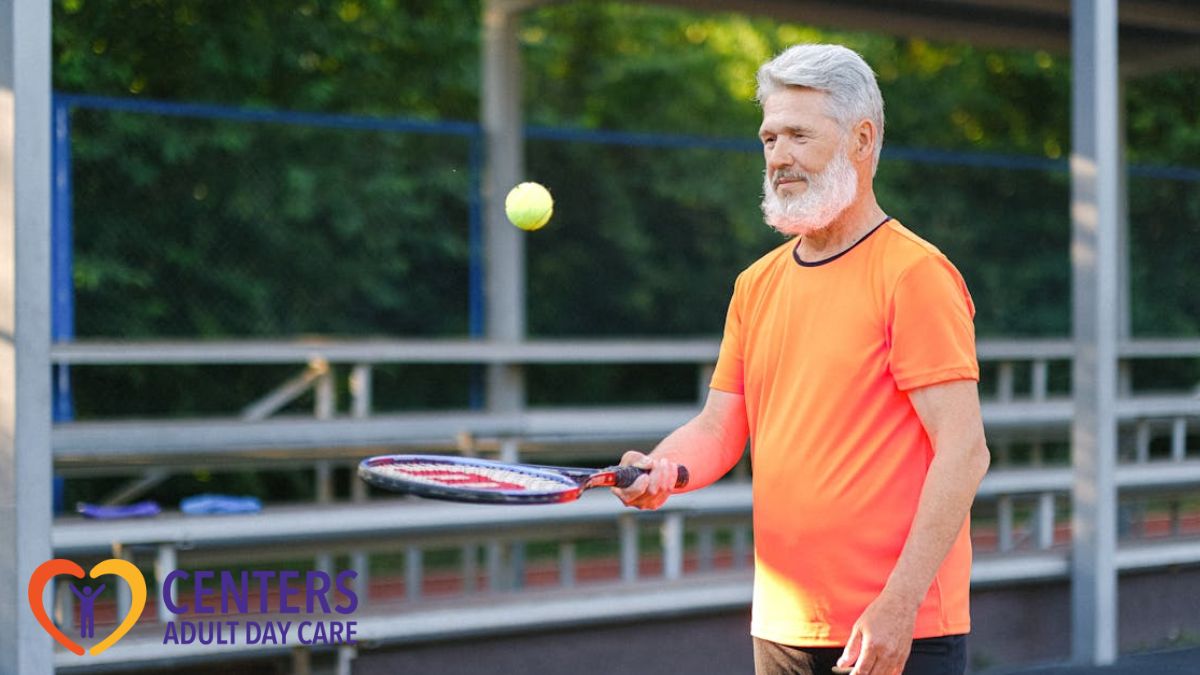 So, why are group activities for seniors such a vital part of adult day care programs? Because they touch every dimension of well-being: mental, physical, emotional, and social.
- Mentally, activities like memory games, discussions, and art projects keep the brain active and engaged.
- Physically, group exercises like walking clubs, chair yoga, or dancing improve strength and mobility.
- Emotionally, laughter, shared stories, and teamwork build joy and resilience.
- Socially, friendships blossom, creating bonds that strengthen community and confidence.
One standout example comes from a study in the Journal of Aging Studies (2019), which revealed that seniors involved in structured group activities reported a 40% improvement in their overall quality of life compared to peers without such opportunities. That’s not just a statistic—it’s proof of transformation.
Think about it: when seniors see themselves not as isolated individuals but as vital members of a group, their self-confidence naturally flourishes. And isn’t that what we all want in our later years—to feel capable, connected, and celebrated?
A Place Where Confidence and Connection Thrive
Adult day care centers are more than routine. They open doors to growth, joy, and real connections. At Centers Adult Day Care, every program is built to help seniors rediscover strengths through group activities for seniors. These moments inspire teamwork, spark creativity, and encourage peer learning. Do these activities simply pass the time? Not at all—they restore confidence, nurture friendships, and create purpose.
In lively communities like New York, adult day care shows how laughter, shared stories, or simple projects can make a lasting impact. Every activity is a reminder that talents still matter and voices deserve to be heard. That’s why Centers Adult Day Care offers a safe space where confidence shines at any age.
Want to see the change for yourself or a loved one? Reach out to us today. Discover how our programs open doors to brighter days and renewed self-belief.