


Key Points:
- Adult day care supports seniors’ independence, social engagement, and daytime health monitoring.
- Nursing homes provide 24/7 medical care, structured routines, and safety for those with advanced needs.
- Families can choose or blend options based on lifestyle, health needs, and desired support.
Choosing care for a loved one is one of the biggest family decisions you’ll ever face. Whether it’s your parent, grandparent, or spouse, the goal is the same—ensuring they feel safe, supported, and fulfilled. That’s where the comparison of day care vs. nursing home becomes essential. Both are proven long-term care alternatives, but each serves different needs. Adult day care centers provide enriching daytime activities while allowing seniors to live at home. Nursing homes, on the other hand, offer 24/7 support for those who require round-the-clock care. Which option is the right fit for your loved one? Let’s dive in and explore the benefits, real-world examples, and research-backed insights that make this choice clearer.
Why Explore Long-Term Care Alternatives?
 The U.S. population is aging at a record pace. By 2030, one in five Americans will be over age 65. According to the AARP, more than 44 million Americans provide unpaid care to a loved one, often while juggling work, family, and personal responsibilities. That’s where long-term care alternatives step in.
Research from the journal Missouri Medicine highlighted that adult day care reduces emergency room visits, delays institutionalization, and strengthens family support networks (Oliver & Foster, 2013). Nursing homes, meanwhile, remain a trusted option for families needing full medical oversight.
So, how do you decide? First, let’s define the two.
What Is Adult Day Care?
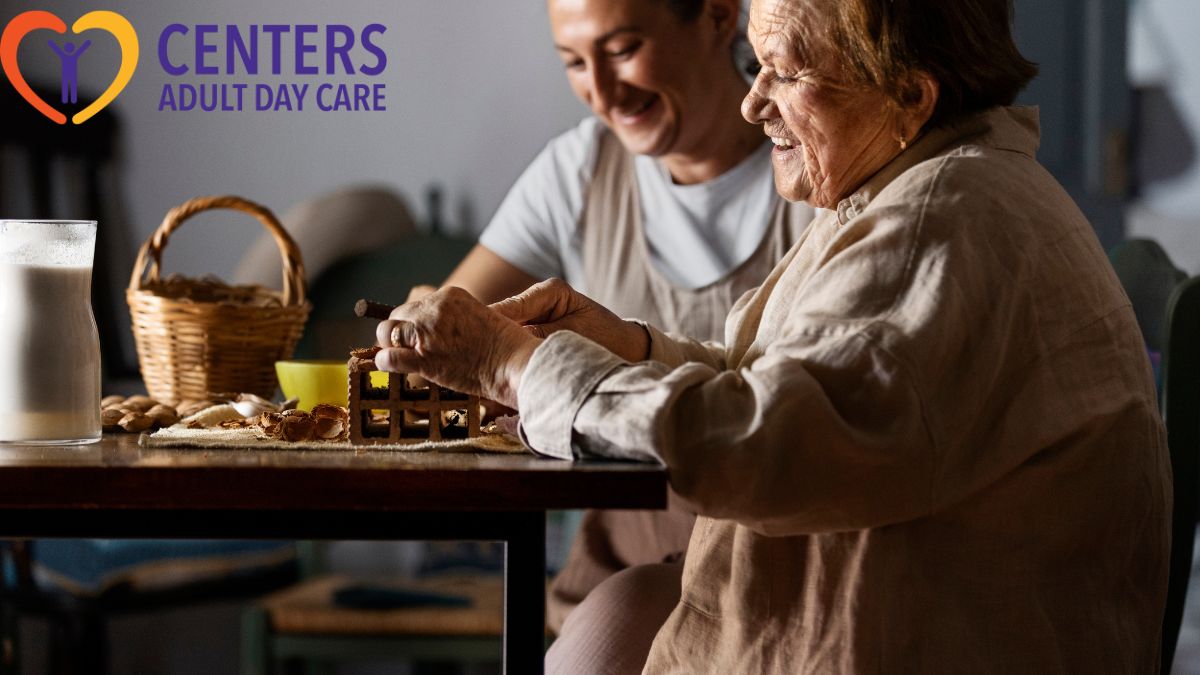
Think of adult day care as a hub of activity and support for older adults during the day. Seniors return home each evening, so they remain part of their household while also enjoying structured programs.
Typical features include:
- Group activities such as arts, music, or gardening
- Light medical monitoring like blood pressure checks
- Meals tailored to dietary needs
- Physical or occupational therapy sessions
- Social engagement with peers
Daycare centers aren’t only for seniors—they’re for families, too. Caregivers get a break from daily responsibilities, reducing stress and burnout while ensuring their loved one is safe.
Example in Action
A study by the University of Missouri’s Adult Day Connection program showed participants reported improved mood, reduced isolation, and better daily functioning after joining adult day programs. Families noted relief, too, as caregiving demands became more manageable.
What Is a Nursing Home?

Nursing homes are full-time residences designed for people who need continuous supervision or skilled medical support. These facilities provide a structured environment where health, safety, and daily routines are carefully managed.
Key services usually include:
- 24/7 health monitoring by nurses
- Help with bathing, eating, and mobility
- Access to rehabilitation therapy
- Structured social activities
- Emergency response and secure housing
Nursing homes are especially valuable for individuals with advanced conditions such as late-stage dementia, chronic illness, or complex mobility needs.
Example in Action
According to the Centers for Disease Control and Prevention (CDC), more than 1.3 million residents live in U.S. nursing homes. Families often choose this option when safety at home is no longer feasible.
Day Care vs. Nursing Home Comparison Table
| Feature | Adult Day Care | Nursing Home |
| Living Arrangement | Seniors live at home and attend a care center during the day. | Seniors live full-time in the facility. |
| Medical Support | Basic health checks, therapy, and medication reminders | Full medical supervision, skilled nursing care |
| Social Activities | Group activities, outings, games, arts | Organized activities, resident engagement |
| Independence | Promotes autonomy; seniors return home daily. | Provides structured living with full support |
| Caregiver Relief | Respite for families during the day | Long-term relief as care is continuous |
| Best Fit For | Seniors needing part-time care, socialization, or early dementia support | Seniors needing 24/7 medical care or advanced support |
This side-by-side look highlights the clear distinction: one is a daytime bridge, the other a full-time home.
How Do Families Choose Between the Two?
The choice often comes down to lifestyle and health. Ask yourself:
- Does my loved one thrive best when surrounded by familiar home routines?
- Do they need constant medical attention or only daily check-ins?
- Would they enjoy group activities, or do they need more private, structured care?
Surprisingly, many families blend the two. Seniors may start with adult day care, then transition to nursing homes as health needs increase. This gradual shift often feels less overwhelming than a sudden move.
The Benefits of Adult Day Care
Adult day care offers unique advantages backed by research.
Encourages Socialization
Seniors meet peers, share stories, and engage in hobbies. The Journal of Applied Gerontology found that older adults in group activities experienced lower rates of depression.
Supports Cognitive Health
Activities like trivia, book clubs, or music therapy stimulate the mind. Studies suggest such engagement helps slow cognitive decline in dementia patients.
Improves Physical Well-being
Light exercise programs improve balance and reduce fall risk. A National Institute on Aging report emphasized that even short bursts of guided physical activity help seniors maintain independence.
Respite for Families
Families benefit, too. According to the National Alliance for Caregiving, nearly 60% of caregivers report feeling stressed or overwhelmed. Daycare programs ease this burden while keeping loved ones safe.
The Benefits of Nursing Homes
While adult day care has clear appeal, nursing homes fill needs that can’t be overlooked.
24/7 Professional Oversight
Medical staff monitor residents continuously. For seniors with advanced illness, this peace of mind is invaluable.
Comprehensive Services
From wound care to medication management, everything is handled under one roof.
Safe Living Environment
Residents live in secure settings with accessibility features, reducing risks of injury or accidents at home.
Community Support
Although structured, nursing homes provide opportunities for group activities, religious services, or therapy sessions that foster a sense of belonging.
Real Families, Real Choices
Consider Maria, a retired teacher in her late 70s. She enjoys gardening, social clubs, and painting but has diabetes that requires regular monitoring. Her daughter enrolled her in an adult day program three days a week. Maria thrives socially while receiving health oversight.
Now think of James, an 82-year-old veteran with late-stage Alzheimer’s. His wandering behavior makes staying home unsafe. His family chose a nursing home where skilled staff provide round-the-clock care. James enjoys music therapy, while his family finds peace knowing he’s safe.
These examples show there’s no “one-size-fits-all.” The right choice depends on individual needs.
How Do Statistics Shape the Decision?
Numbers bring clarity.
- According to AARP, 29% of U.S. adults provide unpaid caregiving each year, averaging 20 hours weekly.
- A National Health Interview Survey showed seniors in adult day care programs reported greater satisfaction and fewer emergency visits than peers without support.
- The CDC found that about 70% of nursing home residents need help with three or more daily activities, such as bathing or dressing.
These statistics reinforce the idea that day care suits seniors with partial needs, while nursing homes serve those requiring full support.
Which Option Promotes Independence?
Independence is often the deciding factor. Many seniors want to age in place, surrounded by familiar settings. Adult day care supports this desire by allowing them to return home every evening.
At the same time, independence can also mean freedom from worry. For families of medically fragile seniors, nursing homes provide that freedom by ensuring every health concern is addressed immediately.
The Future of Long-Term Care Alternatives
Experts predict adult day care will grow significantly as America’s population ages. Programs like PACE (Program of All-Inclusive Care for the Elderly) already blend health services with social support, showing what’s possible.
Meanwhile, nursing homes continue evolving with specialized wings for memory care, rehabilitation, and therapy. Both options will remain central in shaping the future of senior living.
So, when considering day care vs. nursing home, remember this: it isn’t always a choice between one or the other. Sometimes, it’s a journey that includes both.
FAQs
1. Can a senior transition from day care to a nursing home smoothly?
Yes. Many families begin with day care programs to support independence, then transition to nursing homes if medical needs grow.
2. Are adult day care programs only for seniors with health issues?
Not at all. Many participants join for social activities, learning opportunities, and exercise programs even without major health concerns.
3. Do nursing homes offer therapy services like physical or speech therapy?
Yes. Nursing homes often include rehabilitation services, especially for residents recovering from illness, injury, or surgery.
4. How often do families visit when a loved one is in a nursing home?
Visitation depends on family schedules. However, many facilities encourage regular visits and even plan family-involved activities.
5. What’s the biggest factor families overlook when deciding between the two?
Lifestyle fit. Families often focus on medical needs but forget to ask, “Where will my loved one feel most fulfilled, connected, and engaged?”
Choosing the Best Path for Your Loved One
 When it comes to caring for loved ones, every family faces unique circumstances. Centers Adult Day Care provides an uplifting choice for those who value community, daily engagement, and part-time support, while nursing homes serve best for individuals who need structured, around-the-clock medical care.
Both options are designed with one goal in mind—honoring seniors with dignity, safety, and joy in their later years. What matters most is finding the right fit for your family’s needs. Whether it’s the vibrant setting of day programs or the full-time assistance of nursing care, your loved one deserves comfort and respect every step of the way.
If you’re exploring senior care solutions in New York, we invite you to discover how Centers Adult Day Care can help. Reach out to us today, and let’s create a care experience that feels personal, supportive, and truly meaningful.