


Key Points:
- Seniors often face multiple losses including loved ones, independence, and roles, requiring compassionate and holistic emotional support.
- Listening, social connection, and practical assistance are key ways to help seniors process grief and find stability again.
- Encouraging routine, engagement, and meaning-centered activities helps older adults build resilience and restore purpose after loss.
Grief affects everyone, but for seniors, it often comes with layered losses that reach beyond death alone. Older adults may grieve a spouse, a lifelong friend, declining health, or the loss of independence. Supporting them through this process requires patience, understanding, and thoughtful care. This article offers practical, compassionate ways to help seniors navigate grief while rebuilding confidence, connection, and meaning in their daily lives. Families, caregivers, and communities all have roles to play in helping older adults heal and rediscover hope after loss.
Understanding Loss in Older Adulthood
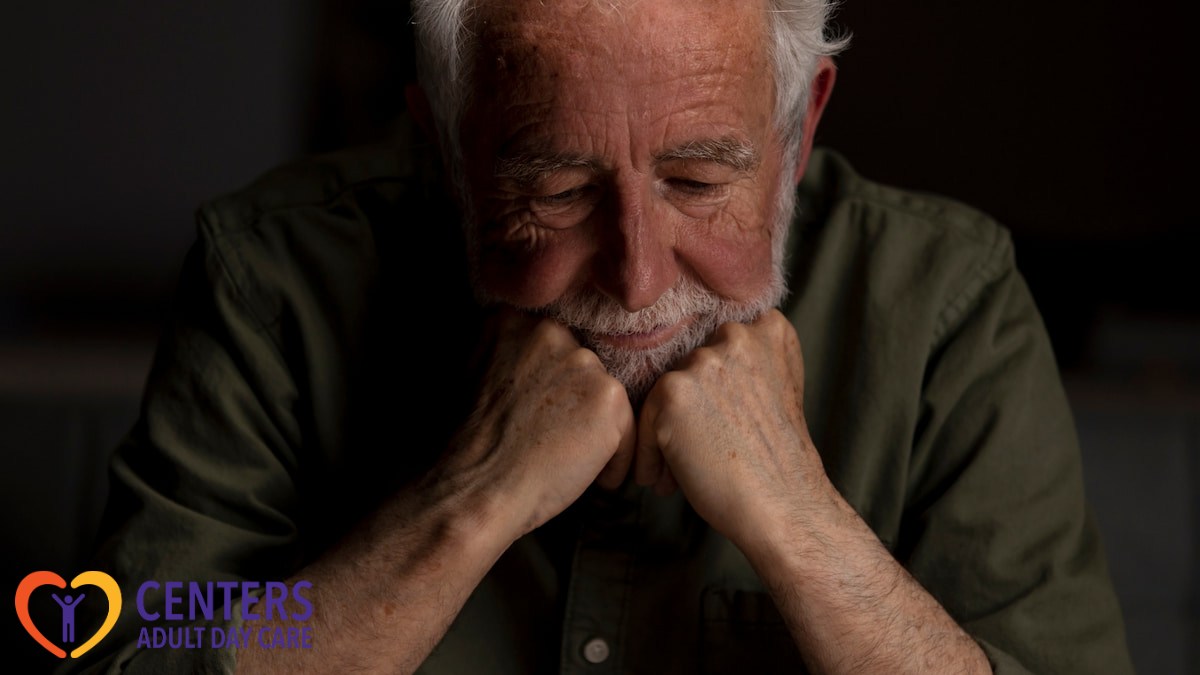 Why Seniors Experience Grief Differently
Seniors encounter grief more frequently due to cumulative losses such as the death of friends, partners, or siblings, as well as the gradual loss of physical or mental ability. These repeated experiences of loss can make grief feel heavier and more complex.
Beyond emotional pain, older adults may also experience changes in identity or purpose, especially after retirement or the death of a spouse. They might grieve the routines, companionship, and sense of belonging they once had. Understanding these nuances helps caregivers respond with greater empathy and tailor support to each senior’s individual needs.
Recognizing Signs of Grief
Grief in older adults can appear in many forms, not just tears or sadness. Some may show signs of withdrawal, irritability, confusion, or fatigue. Others may lose interest in activities they once enjoyed, have trouble sleeping, or struggle to maintain daily routines.
It’s important to notice when grief becomes overwhelming or prolonged. If sadness seems to persist for months, or the senior withdraws completely from others, professional grief counseling may be needed. Recognizing these early signs ensures that timely help can be offered.
Practical Support Strategies for Seniors
Being Present and Listening with Compassion
The greatest gift you can offer a grieving senior is your presence. Listening without judgment, fixing, or rushing the conversation shows genuine care. Seniors often need time to express their emotions, share memories, and revisit their experiences in a safe space.
Use gentle prompts like “Would you like to talk about them today?” or “Tell me about your favorite memory with them.” Even quiet companionship, such as sitting together or sharing a simple activity, can provide comfort and reassurance.
Offering Practical Help
Grief can make everyday tasks feel overwhelming. Offering help with basic needs allows seniors to conserve emotional energy and regain stability.
Try to:
- Assist with cooking, cleaning, grocery shopping, or medical appointments.
- Support them in managing legal or financial matters after a spouse’s death.
- Encourage regular routines, such as daily walks or shared meals.
- Help with light exercise, which can improve mood and reduce stress.
Small, consistent acts of service remind seniors they are not alone and give them a sense of structure amid emotional chaos.
Promoting Social Connection and Purpose
Isolation can deepen grief, while connection helps lighten it. Encourage seniors to participate in social or community activities to help them feel engaged again.
Suggestions include:
- Joining a book club, art class, or walking group.
- Attending local support groups for bereaved seniors.
- Starting a memory project, like creating a photo album or planting a tree in remembrance.
- Volunteering at a community center or mentoring younger people.
Meaningful engagement helps shift the focus from what was lost to what still gives life value.
Tailoring Support to Individual Needs
 Adapting to Health and Cognitive Challenges
Every senior’s physical and cognitive state affects how they experience grief. Someone with mobility issues may struggle to attend gatherings, while another with hearing loss may feel left out of conversations.
To adapt effectively:
- Offer transportation or home visits when travel is difficult.
- Communicate clearly, using visual cues if hearing or vision is limited.
- Consider online or phone-based support for those unable to attend in-person groups.
- Be aware that physical pain or fatigue may be tied to emotional distress.
By adjusting your approach, you make it easier for seniors to access the support they need without feeling excluded or burdensome.
Respecting Cultural and Personal Beliefs
Cultural and personal values deeply shape how people grieve. Some seniors may prefer privacy, while others find comfort in rituals, prayer, or group gatherings.
Respecting these beliefs means asking, not assuming:
- “How do you usually like to honor someone you’ve lost?”
- “Would you prefer quiet reflection or shared remembrance?”
- “Are there any traditions or spiritual practices that bring you comfort?”
By honoring their customs and allowing them to lead the process, you create a supportive and inclusive environment where they can grieve authentically.
Encouraging Healing and Growth
Restoring Routine and Meaning
Grieving seniors benefit greatly from routine. Regular meals, consistent sleep, and light daily activity restore balance and create a sense of security. Beyond routine, finding new meaning is key.
Encourage seniors to:
- Explore hobbies they once loved, such as painting, gardening, or journaling.
- Participate in creative expression like music, writing, or crafts.
- Set small, achievable goals to build motivation and self-worth.
- Create memory boxes, scrapbooks, or annual traditions that celebrate loved ones.
Healing is not about “moving on.” It is about moving forward with love, memories, and renewed purpose.
Monitoring for Complicated Grief
Although grief is natural, prolonged or intense symptoms may signal a deeper issue. Watch for:
- Persistent sadness that doesn’t ease over time.
- Avoidance of reminders of the deceased.
- Extreme withdrawal from social contact.
- Expressions of hopelessness or self-harm.
In these cases, professional intervention from a grief counselor or geriatric therapist can help. Encouraging seniors to seek support shows strength, not weakness, and ensures they do not face pain in silence.
The Role of Family, Caregivers, and Community
Supporting Without Taking Over
Families and caregivers play a vital role in senior grief recovery. However, it’s important to balance support with respect for autonomy.
Practical approaches include:
- Asking how you can help rather than deciding for them.
- Encouraging independence by offering choices instead of doing everything.
- Supporting emotional expression without pressure to “cheer up.”
- Remembering that caregivers also need rest and support for their own well-being.
Empathy and patience build trust, making seniors feel empowered rather than dependent.
Strengthening Community Involvement
 Community-based support can make a major difference in the grieving process. Local programs, faith-based groups, and senior centers can all play active roles.
Communities can help by:
- Creating grief support groups tailored for older adults.
- Training staff to recognize and respond to signs of grief.
- Encouraging peer counseling programs where seniors help one another.
- Promoting public awareness about grief as a natural part of aging.
When community networks work together, they form a safety net that uplifts grieving seniors and helps them find comfort and belonging again.
FAQs
1. How can I tell if my senior loved one is struggling with grief?
Look for signs like withdrawal, persistent sadness, neglecting self-care, or losing interest in activities. These often indicate emotional overwhelm.
2. What should I say to comfort a grieving senior?
Use gentle, honest words like “I’m here for you” or “It’s okay to feel sad.” Avoid phrases that minimize their feelings.
3. How long does grief last for older adults?
Grief has no timeline. While intensity lessens with time, healing depends on personality, relationship depth, and available emotional support.
4. Can group activities help with grief recovery?
Yes, shared activities encourage social connection, reduce loneliness, and help seniors rediscover joy through community participation and meaningful engagement.
5. What can caregivers do to support themselves while helping grieving seniors?
Caregivers should take regular breaks, seek support groups, and maintain self-care habits to avoid emotional burnout and compassion fatigue.
Find Healing Together: Support Seniors Through Life’s Hardest Moments
Grief and loss touch every life, but no one should face them alone. At Centers Adult Day Care, we understand the deep emotions seniors experience when coping with loss. Our compassionate staff provides a safe space to talk, share, and heal together. Through meaningful conversations, gentle activities, and emotional support, participants find comfort and rediscover hope. Healing isn’t about forgetting, it’s about remembering with love, surrounded by people who truly care.
Grief may change life, but it doesn’t have to take away joy. At Centers Adult Day Care, we help seniors embrace each day with new purpose, companionship, and understanding.
Ready to help your loved one find peace and comfort again? Contact us today, let’s walk this journey of healing together.