


Key Points:
- Transportation assistance empowers New York seniors to stay active, connected, and independent daily.
- Reliable senior mobility reduces isolation, improves healthcare access, and enhances overall life quality.
- Programs ensure affordable, safe, and accessible rides supporting independence and community participation.
Living in New York is exciting, but getting around can be challenging for seniors. How can older adults stay independent without extra help? Transportation for seniors makes daily life manageable. Without it, medical appointments get missed, errands pile up, and loneliness can grow.
Transportation assistance gives seniors access to essential services. It helps them reach healthcare, join social events, and take part in community activities. Programs like senior shuttle service or rides to an adult day care New York center make a real difference. When seniors can travel safely, their health improves, moods lift, and overall quality of life rises.
Reliable transport keeps seniors connected. It allows them to stay active, engaged, and self-sufficient. With the right support, older adults in New York can live fuller, happier lives without feeling trapped at home.
Why Transportation Matters for Seniors
Mobility is more than getting from point A to point B. It’s about independence. Older adults who lose their driving privileges may feel trapped. Reliable senior mobility solutions prevent isolation. They allow seniors to attend doctor visits, shop for groceries, or see friends.
Did you know nearly one in five Americans over 70 doesn’t drive? (Federal Highway Administration, 2020) This highlights a serious need for alternatives. Programs offering assisted transportation fill this gap. They keep seniors connected to their communities, which boosts mental and physical well-being.
Key Benefits of Senior Transport
- Healthcare access: Attend appointments, check-ups, or therapy sessions.
- Daily errands: Shop, pick up prescriptions, or run essential errands.
- Social engagement: Join clubs, visit friends, or attend community events.
- Independence: Stay self-sufficient without relying solely on family.
Services designed for seniors focus on comfort, safety, and accessibility. They reduce stress and support healthy routines.
The Five A’s of Senior-Friendly Transportation
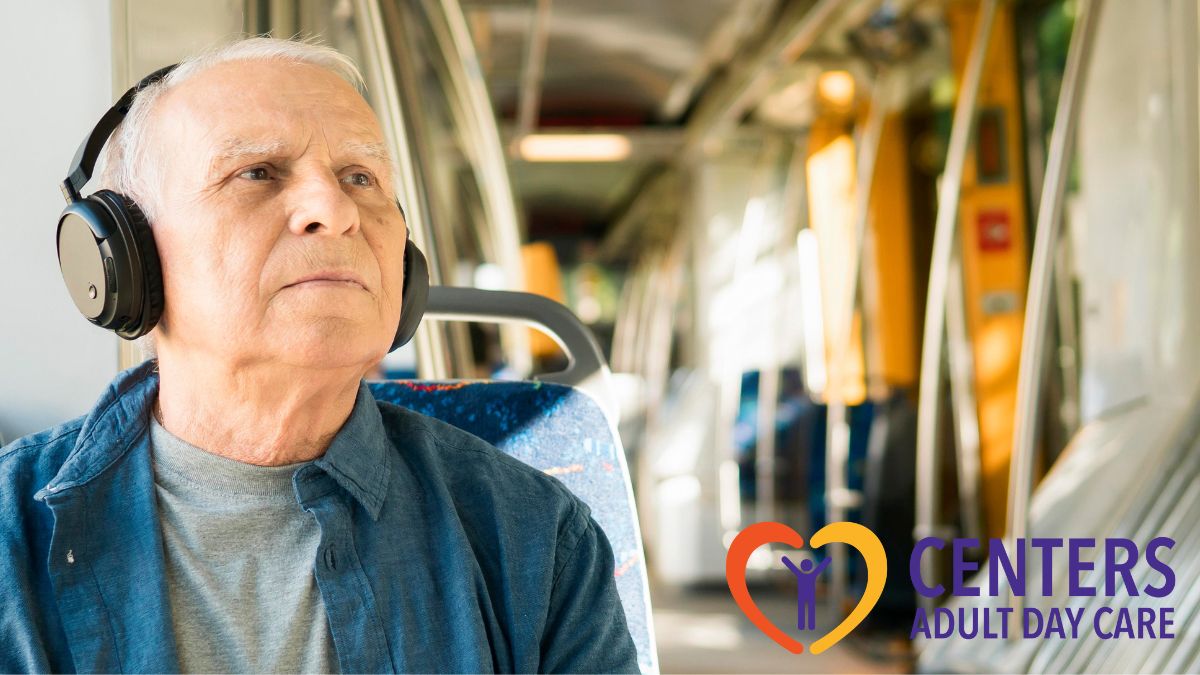 Experts recommend the “Five A’s” to guide high-quality transportation assistance for older adults. These standards make services reliable and effective.
- Availability – Seniors need multiple transport options. Variety ensures they can travel when necessary.
- Accessibility – Services must accommodate physical limitations. Wheelchairs, walkers, and other mobility aids should be supported.
- Acceptability – Travel should be safe, comfortable, and respectful. Positive experiences encourage seniors to use services.
- Affordability – Costs should fit fixed incomes. Free or low-cost options increase participation.
- Adaptability – Services should evolve with the aging population’s needs. Flexibility improves safety and convenience.
By following these principles, programs improve elderly accessibility. Seniors feel confident traveling alone, which fosters independence and dignity.
How Transportation Services Work
Senior shuttle service, paratransit, and volunteer programs provide diverse options. They cater to seniors who no longer drive. Services may include door-to-door pickup, scheduled routes, or rides to adult day care centers near me.
- Public transportation: Affordable buses and trains connect seniors to community resources.
- Paratransit services: Personalized rides for those with disabilities or mobility challenges.
- Non-Emergency Medical Transportation (NEMT): Rides to appointments improve long-term health outcomes.
- Volunteer programs: Community volunteers provide rides and companionship.
These options reduce social isolation. They let seniors engage in hobbies, attend events, and maintain family connections.
Programs and Partnerships That Improve Senior Mobility
Federal programs like Enhanced Mobility of Seniors and Individuals with Disabilities (Section 5310) support states in providing transport for seniors and those with disabilities. Funds help local agencies purchase accessible vehicles and implement mobility management programs.
Local governments and community organizations decide which initiatives receive funding. Programs often include travel training for seniors and coordination with home care providers. These efforts improve senior day services attendance and overall community engagement.
Technology also helps. Mobile apps and GPS tracking let seniors book rides easily and safely. Caregivers can monitor trips in real-time. This makes community transport for elderly safer and more efficient.
How Home Care Providers Support Transportation
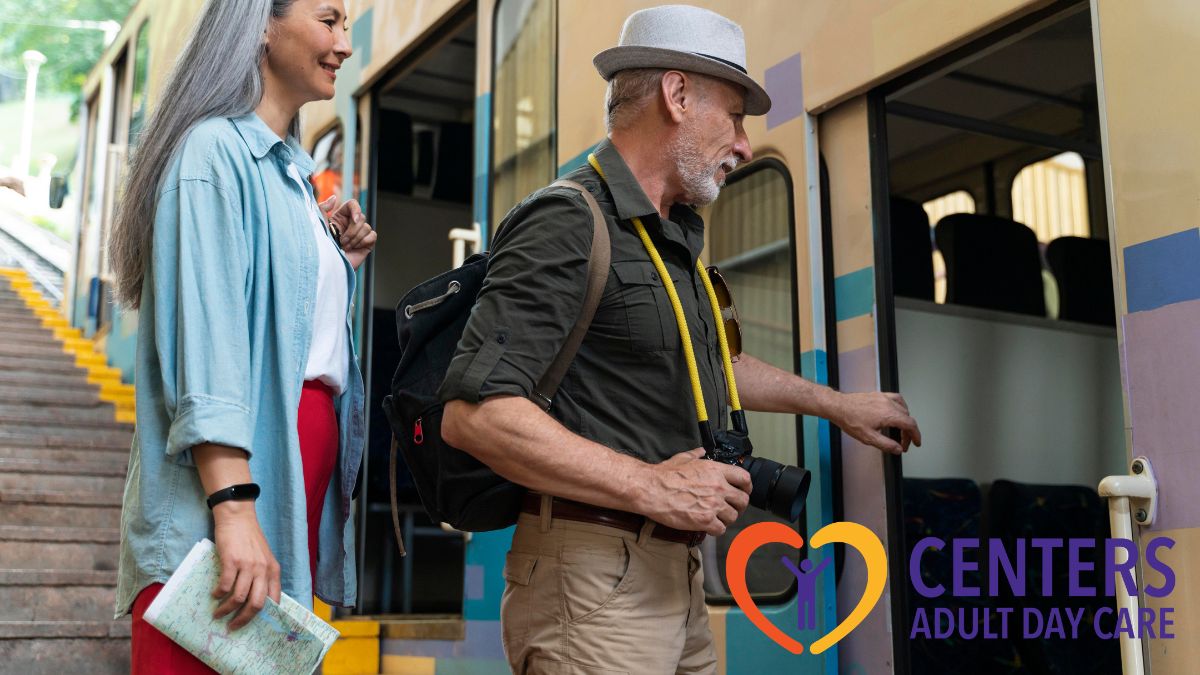 Home care agencies often provide assisted transportation as part of their services. Caregivers help seniors get to medical appointments, therapy, or social events. They may assist with getting in and out of vehicles, especially for those using mobility devices.
Options include:
- NEMT services for healthcare visits.
- Errand support like grocery or pharmacy trips.
- Companion rides to social or recreational activities.
Personalized transport reduces isolation and stress. Seniors maintain connections and manage daily routines. Families also benefit, gaining peace of mind while caregiving burdens decrease.
Improving Independence Through Partnerships
Collaboration between home care providers and transport services, including ride-hailing companies, solves logistical challenges. Flexible, on-demand rides ensure seniors reach healthcare appointments without relying on family.
Secure, HIPAA-compliant platforms help agencies coordinate rides efficiently. Seniors gain control over schedules and access services independently. Reliable senior care becomes easier to maintain, promoting autonomy and dignity.
Broader Impacts on Quality of Life
Transportation services impact seniors’ mental health and social well-being. Limited mobility often causes isolation, depression, and reduced physical activity. Reliable rides allow seniors to attend community events, adult day care New York centers, or visit friends and family.
They also reduce caregiver stress. Around 80% of family caregivers provide transportation (AARP, 2023). With external support, caregivers can focus on other responsibilities while seniors remain active and connected.
Benefits at a glance:
| Impact Area | Description | Example Activities |
| Reducing Caregiver Burden | Less stress managing rides | Caregivers focus on other duties |
| Combating Social Isolation | Seniors attend social activities | Clubs, events, family visits |
| Promoting Mental Health | Access to healthcare and exercise | Check-ups, walks, recreational activities |
Frequently Asked Questions (FAQs)
1. What’s the difference between paratransit and a senior shuttle service?
Paratransit is shared-ride and ADA-compliant for those who cannot use fixed-route buses. Senior shuttles often operate through community centers or adult day care centers near me, usually following a set route.
2. How can I tell if a service is accessible?
Accessible services accommodate wheelchairs and walkers. Staff should assist safely. Ask about training and vehicle features.
3. Are free transport options available?
Yes. Some volunteer programs and local organizations provide no-cost rides. Medicaid recipients may qualify for free NEMT rides.
4. How do apps like Uber or Lyft help seniors?
Apps offer flexible, on-demand rides. Home care agencies sometimes book rides through secure platforms, making transport easier and safer.
5. What non-medical trips are supported?
Assisted transport helps seniors shop, attend social events, and visit friends. These trips are essential for social and mental well-being.
Unlocking Independence: Transportation That Transforms Senior Lives
 Transportation assistance is more than a ride, it’s a lifeline for older adults. Centers Adult Day Care in New York depend on reliable transport to help seniors attend programs safely and consistently. This adult day care center near me not only provides social and recreational activities but also supports emotional and physical well-being, making access essential.
Through innovative partnerships, government initiatives, and elderly support programs, transportation for seniors becomes safe, dependable, and accessible. Seniors can reach medical appointments, attend senior day services, run errands, and join community events without relying solely on family support.
By emphasizing the Five A’s, availability, accessibility, acceptability, affordability, and adaptability, New York ensures seniors stay engaged, active, and independent. Transportation assistance strengthens connections, reduces isolation, and enhances quality of life.
If you want to help a loved one access these vital services, reach out to us today to learn more about senior mobility solutions in New York.