


Key Points:
- Seniors in New York can maintain physical health and social connection through age-friendly activities designed for each season, keeping engagement high all year.
- Summer, fall, and winter each offer unique opportunities for older adults, from outdoor walks and cultural visits to indoor wellness programs and social gatherings.
- Planning activities with safety, mobility, social connection, and enjoyment in mind ensures seniors remain active, fulfilled, and emotionally balanced throughout the year.
Finding meaningful and enjoyable activities is essential for older adults in New York to preserve mobility, social connection, and emotional wellbeing. Each season brings its own set of opportunities, from warm summer days perfect for gentle outdoor exercise to crisp fall afternoons ideal for leaf-peeping walks and seasonal outings, and colder winter months offering indoor wellness programs and social engagement.
This guide provides practical, actionable suggestions for seniors to embrace every season, taking into account safety, accessibility, companionship, and enjoyment. By participating in thoughtfully planned activities throughout the year, seniors can remain active, socially connected, and mentally stimulated, enhancing quality of life and promoting a sense of purpose and belonging.
Summer Outings and Active Engagement
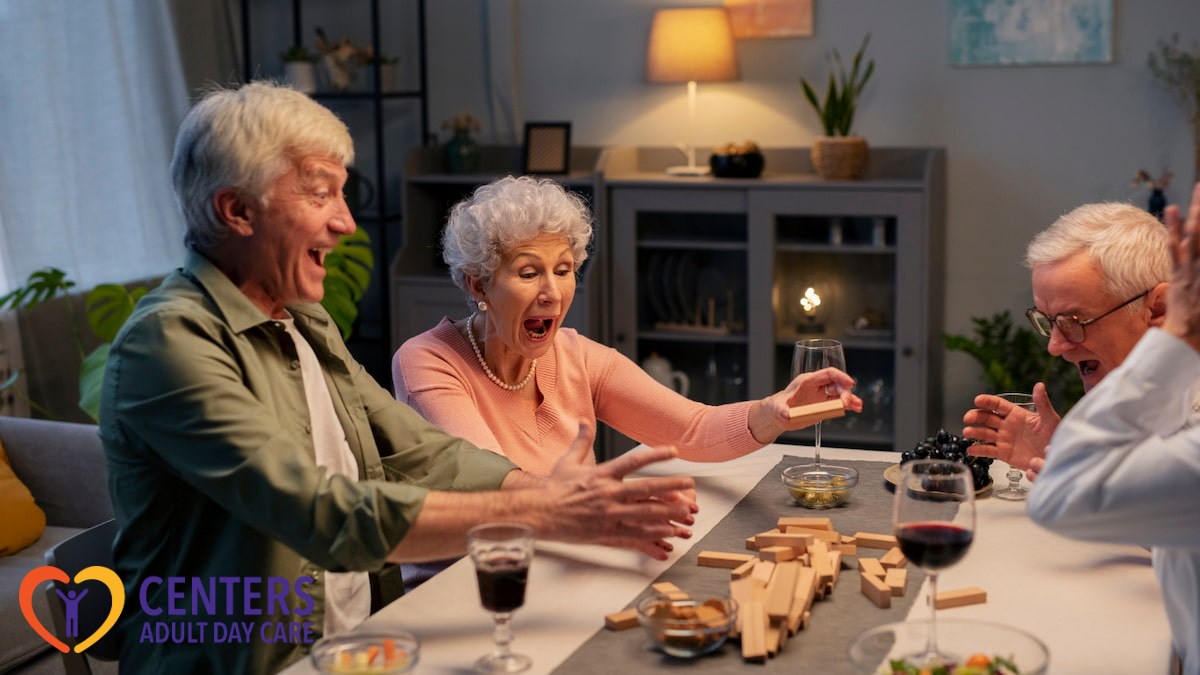 Why summer is ideal for light outdoor activity
The longer days and warmer temperatures of summer provide ideal conditions for seniors to enjoy outdoor activities safely. This season encourages gentle exercise, exposure to sunlight, and social engagement, all of which contribute to physical health, mental wellbeing, and overall happiness. Being outdoors also allows seniors to benefit from fresh air and natural scenery, boosting mood and encouraging movement. Summer is the perfect time to explore parks, waterfronts, gardens, and community events while keeping activities low-impact and enjoyable.
Recommended summer activities for seniors in New York
- Walking and fitness groups: Join local walking clubs or senior-friendly exercise programs in parks to combine social interaction with physical activity.
- Gardens and waterfront visits: Take leisurely strolls through botanical gardens, waterfront paths, or scenic green spaces for fresh air and visual stimulation.
- Picnics and outdoor gatherings: Organize group picnics, neighborhood potlucks, or casual meet-ups in shaded areas for relaxation and social bonding.
- Outdoor exercises: Engage in chair-based yoga, tai chi, or light stretching in shaded areas to maintain strength, flexibility, and balance.
- Cultural and community events: Attend open-air concerts, festivals, or art exhibitions, ensuring seating and rest areas are available for comfort.
- Birdwatching and nature walks: Explore local parks or nature reserves for gentle physical activity while observing wildlife and seasonal plants.
Tips to stay safe and comfortable
- Schedule outdoor activities during the cooler parts of the day, such as early morning or late afternoon, to avoid heat exposure.
- Wear supportive, comfortable shoes and lightweight, breathable clothing to prevent discomfort and reduce the risk of falls.
- Bring water, snacks, and sunscreen to stay hydrated and protected during extended outings.
- Take regular breaks and carry portable seating if standing for long periods is challenging.
- Invite a friend, family member, or caregiver to join for safety, motivation, and companionship.
Fall Adventures and Social Renewal
The value of autumn outings and transitional activities
Fall brings cooler temperatures, colorful foliage, and a crisp atmosphere that encourages gentle outdoor activity and social engagement. It is a season that allows seniors to enjoy sensory experiences, from the sight of changing leaves to the smell of autumn harvests, while participating in mild exercise and cultural events. The transitional nature of fall also helps seniors prepare for the colder months ahead by establishing consistent routines and maintaining mobility and social connections.
Suggested fall activities
- Leaf walks and nature trails: Take walks through local parks or suburban paths to enjoy vibrant fall foliage and crisp air.
- Seasonal farms and markets: Visit apple orchards, pumpkin patches, and farmers markets for light activity and sensory engagement.
- Arts and crafts programs: Participate in creative workshops, knitting circles, or hobby groups for mental stimulation and social interaction.
- Outdoor fitness classes: Attend walking groups or gentle yoga sessions before winter limits outdoor activity.
- Photography outings: Capture fall colors with a camera or smartphone, combining creative engagement with mild physical movement.
- Cultural excursions: Plan visits to local museums, historical sites, or autumn festivals, integrating rest periods for comfort.
Considerations for comfort and safety
- Dress in layers to adapt to fluctuating temperatures throughout the day.
- Watch for wet leaves, uneven paths, and slippery surfaces to reduce fall risk.
- Use mobility aids when needed and choose routes with benches or rest stops.
- Include friends or family in outings for support, companionship, and added safety.
- Carry a small bag with water, a light snack, and personal items for convenience during longer trips.
Winter Wellness and Indoor Engagement
 Staying active and connected during colder months
Winter’s shorter days and lower temperatures often limit outdoor activity, but seniors can continue to maintain physical health, mental stimulation, and social connections through indoor and controlled outdoor activities. Indoor programs such as educational classes, art workshops, or fitness sessions provide meaningful engagement, while brief outdoor walks on cleared paths support mobility and exposure to natural light. Winter is also an opportunity to embrace social interaction through clubs, volunteering, and small-group gatherings, keeping seniors engaged and mentally active.
Winter-friendly activities for seniors
- Indoor classes and workshops: Join music, art, cooking, or educational programs to stay mentally stimulated and socially connected.
- Gentle outdoor walks: Venture outdoors for short walks on safe, cleared paths to maintain mobility and enjoy fresh air.
- Community fitness programs: Participate in chair yoga, tai chi, or indoor walking sessions tailored for seniors to support strength, balance, and flexibility.
- Volunteering and mentorship: Engage in community service, tutoring, or mentoring programs to maintain purpose and social engagement.
- Indoor hobby groups: Join book clubs, crafting circles, or discussion groups to connect with peers and explore new interests.
- Seasonal celebrations: Attend safe community events or small gatherings to participate in winter festivities and maintain social bonds.
Adaptations and safety tips
- Plan outdoor activities during daylight hours to reduce exposure to cold and prevent slips on icy surfaces.
- Dress in warm layers and wear non-slip footwear for stability and comfort.
- Choose venues with good lighting, easy access, and seating to reduce strain and fatigue.
- Maintain social connections through indoor meet-ups, online gatherings, or small group activities.
- Monitor energy levels and adjust activity intensity to prevent exhaustion or overexertion.
Integrating Across Seasons for a Year-Round Routine
Building a seasonal activity routine
Rather than treating each season separately, creating a year-round activity plan ensures seniors remain engaged and active regardless of weather or daylight changes.
Strategies for a year-round routine:
- Plan a monthly calendar to schedule summer outdoor outings, fall social activities, and winter indoor programs.
- Maintain a consistent social circle with friends or group activities to foster regular social engagement.
- Choose adaptable activities, such as walking groups, nature photography, museum visits, or indoor classes that can shift with the seasons.
- Monitor energy and mobility levels, adjusting activity intensity as needed for each season.
- Reflect at the end of each season to determine what activities were most enjoyable and make adjustments for the next season.
Benefits of maintaining a seasonal cycle
- Variety prevents boredom and keeps seniors motivated to participate in regular activities.
- Different seasons engage different senses, from summer sunlight and fresh air to fall colors and winter indoor creativity.
- Structured routines reduce the risk of social isolation during colder months while promoting consistent physical and mental activity.
Practical Ideas and Local Suggestions in New York
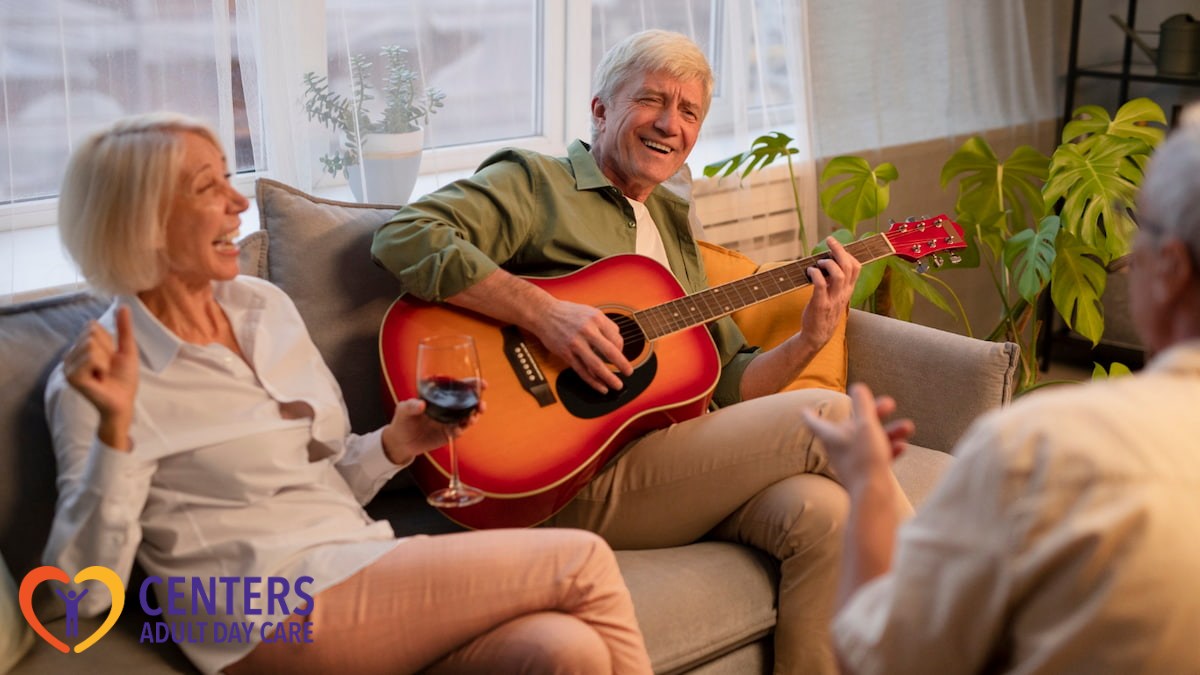 Neighborhood parks and fitness programs
- Participate in local park fitness programs and walking groups designed for older adults.
- Visit botanical gardens or indoor greenhouses for safe outdoor experiences during cooler months.
Social and volunteering opportunities
- Engage in volunteer work or mentorship programs to contribute meaningfully while maintaining social connections.
- Join senior centers offering day trips, workshops, and social clubs tailored to older adults.
Travel-lite or half-day excursions
- Plan short trips to accessible local destinations like waterfront paths, arboretums, or community attractions.
- Ensure the trips allow for rest, minimal stress, and maximum enjoyment.
Technology-assisted options
- Participate in virtual learning, online clubs, and indoor fitness programs when weather or mobility limits outdoor activity.
- Online video chats or virtual events can supplement social interaction during winter or periods of limited mobility.
FAQ
1. How often should older adults aim for outdoor activity in warmer months?
Three to five days a week of gentle walking or light outdoor activity is recommended to maintain mobility and overall well being.
2. What safety measures should seniors take when engaging in seasonal outings?
Wear supportive shoes, bring water, check terrain and weather, take rest breaks, and inform someone of your plans.
3. How can seniors choose activities if they have limited mobility?
Opt for seated or supported activities like chair yoga, indoor crafts, museum tours, or short walks with a companion.
4. Can indoor activities fully replace outdoor activity in winter?
Yes, indoor programs such as fitness classes, art workshops, and social clubs provide engagement and physical activity when outdoor options are limited.
5. How can seniors maintain social connections across all seasons?
Schedule weekly or bi-weekly meet-ups, join local clubs, volunteer, and plan seasonal outings or indoor gatherings for consistent engagement.
Celebrate Every Season: Keep Your Loved One Active and Engaged All Year
Each season brings its own beauty, and at Centers Adult Day Care, we make sure seniors enjoy them all. From sunny summer picnics and fall festivals to cozy winter wellness programs, every activity is designed for fun, friendship, and vitality. Staying active through the year keeps minds sharp and spirits high.
Our programs are tailored to New York’s vibrant rhythm, offering safe outdoor adventures and engaging indoor events no matter the weather. Here, every day feels special, every moment full of purpose.
Want your loved one to experience every season with laughter and connection? Contact us today, where joy never takes a break.