


Key Points:
- Physical therapy boosts strength and balance, helping seniors stay independent and confident daily.
- Targeted exercises reduce fall risks and improve mobility for aging adults seeking stability.
- Personalized therapy plans support safer movement, better function, and long-term senior wellness goals.
Aging brings changes that can make daily tasks feel harder. Many older adults notice climbing stairs, standing from a chair, or walking safely becomes more challenging. Physical therapy for seniors takes a proactive approach to keep the body strong, flexible, and balanced. Through personalized exercises, mobility support, and wellness guidance, therapy helps older adults maintain independence and enjoy life. Research shows targeted therapy improves balance, lowers fall risk, and boosts overall quality of life (Sherrington et al., 2019). For seniors considering options like an adult day care center or seeking rehabilitation for elderly needs, physical therapy remains a key part of wellness.
The Silent Threat: Losing Muscle and Mobility
As we get older, our bodies undergo predictable changes that can threaten our ability to live life on our own terms. Have you felt that your once-easy movements are becoming challenging? This common feeling is often linked to the natural loss of muscle mass, known as sarcopenia, which begins to accelerate as we age (Volpi et al., 2004). This decline is one of the most significant threats to remaining independent.
It is not just about muscle tone. Weakened leg muscles make it harder to rise from a chair. Reduced core strength affects posture. These physical shifts make simple tasks like climbing stairs or carrying groceries a real struggle. The good news is that this decline is not a one-way street. Physical therapy programs are specifically designed to counteract these age-related shifts. A tailored program of exercise therapy can help your body retain and rebuild the functional strength you need for daily life (McLeod et al., 2018).
Key Benefits of Physical Therapy
1. Fall Prevention and Balance Training
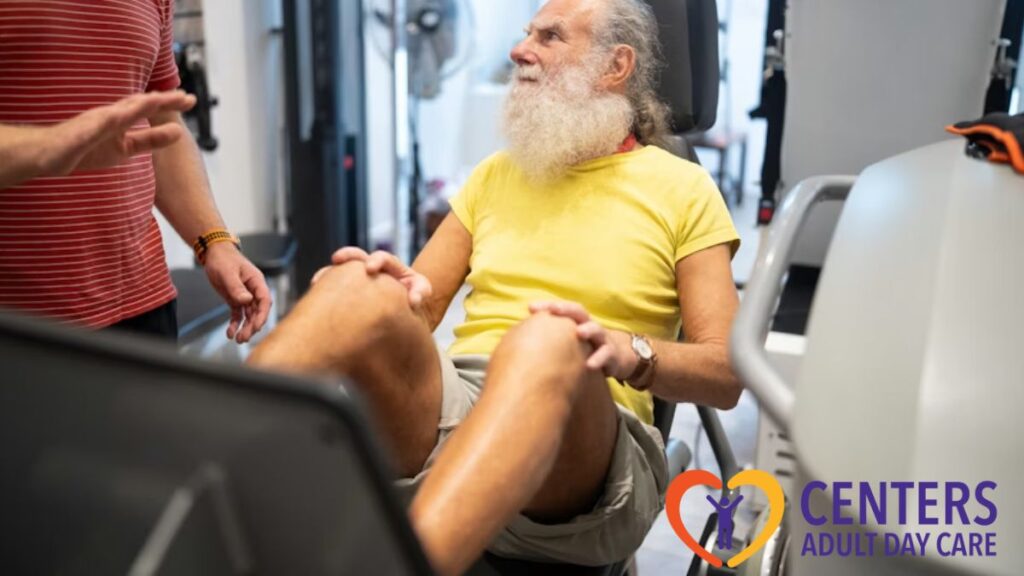
Falls are the leading cause of injury for adults over 65. Physical therapists evaluate individual risk factors such as:
- Muscle weakness
- Reduced joint flexibility
- Poor balance or proprioception
- Medication effects and vision changes
Targeted exercises help retrain the body, strengthen key muscles, and enhance coordination. Balance drills, single-leg stands, and heel-to-toe walking are commonly used strategies. Seniors who completed balance-focused therapy twice weekly for six months showed a reduction in falls (Oliver et al., 2007).
2. Improving Mobility and Flexibility
Muscle stiffness and reduced joint mobility often limit daily activities. Physical therapy combines stretching, strength exercises, and low-impact aerobic movements to restore functional mobility. Older adults may notice improvements in:
- Walking longer distances
- Climbing stairs safely
- Rising from chairs with ease
- Performing household chores independently
Regular therapy helps counteract sarcopenia, the age-related loss of muscle mass, which begins as early as 30 but accelerates after 60 (Cruz-Jentoft et al., 2019). Maintaining mobility is critical to preserving an active lifestyle and independence.
3. Managing Chronic Conditions and Pain
Chronic pain from arthritis, osteoporosis, or neurological disorders is common among aging adults. Physical therapy offers safe, non-invasive strategies such as:
- Exercise therapy to strengthen muscles supporting painful joints
- Manual therapy to reduce stiffness
- Techniques to improve posture and movement efficiency
Studies suggest that older adults with arthritis who follow a structured physical therapy program report 50% less pain and greater functional ability compared to those relying solely on medications (Fransen et al., 2015).
4. Post-Surgery and Injury Rehabilitation
Recovery after surgery, such as hip or knee replacements, is often enhanced by physical therapy. Individualized programs focus on:
- Restoring strength around surgical sites
- Improving range of motion
- Relearning safe movement patterns
Early rehabilitation can reduce complications, shorten recovery periods, and improve long-term outcomes. For older adults, this often means returning to cherished activities more quickly.
5. Supporting Daily Activities and Independence
Physical therapy doesn’t just focus on isolated exercises; it targets real-life skills. Therapists teach adaptive strategies for:
- Getting dressed or bathing safely
- Walking and moving around the home
- Carrying groceries or reaching overhead
These strategies allow older adults to continue performing everyday tasks without unnecessary assistance. Research shows that seniors engaged in physical therapy programs maintain functional independence longer than those without structured intervention (Laufer et al., 2005).
Incorporating Therapy Into Senior Programs
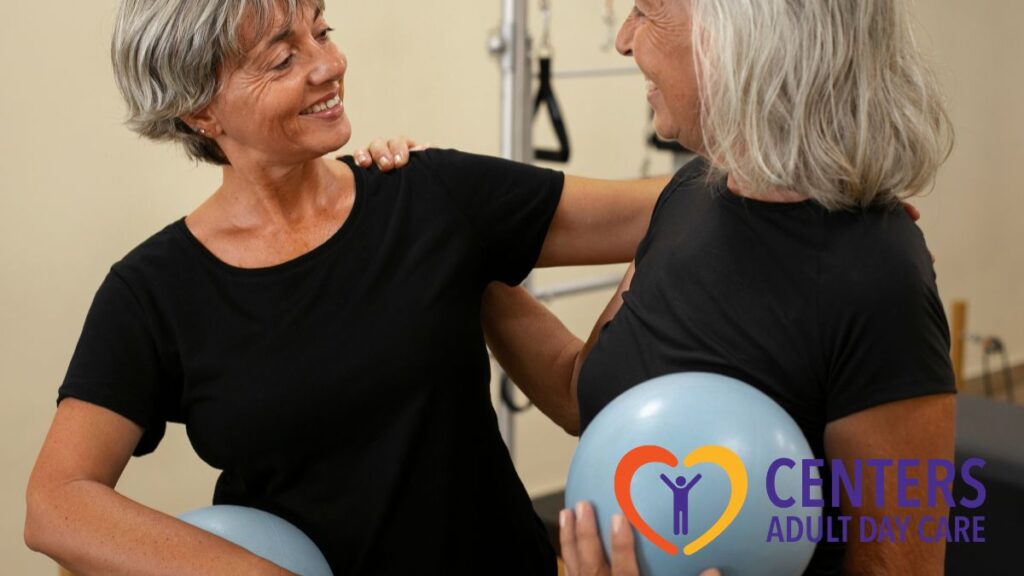
Many adult day care centers integrate physical therapy into their daily routines. This combination offers:
- Supervised exercise in a safe environment
- Social engagement and mental stimulation
- Access to rehabilitation for elderly participants needing mobility support
For those searching online, terms like adult day care near me or adult day care in New York can help locate centers that offer structured physical activity and wellness care programs for seniors.
| Program Component | Benefits for Seniors | Example Activities |
| Balance Training | Reduces falls, improves coordination | Heel-to-toe walks, single-leg stands |
| Strength Exercises | Prevents sarcopenia, supports daily tasks | Sit-to-stand, resistance bands |
| Flexibility & Stretching | Maintains joint range, reduces stiffness | Arm circles, seated stretches |
| Pain Management | Decreases chronic discomfort | Manual therapy, guided exercises |
| Cardiovascular | Supports heart health and endurance | Light walking, stationary cycling |
Exercise Therapy and Functional Strength
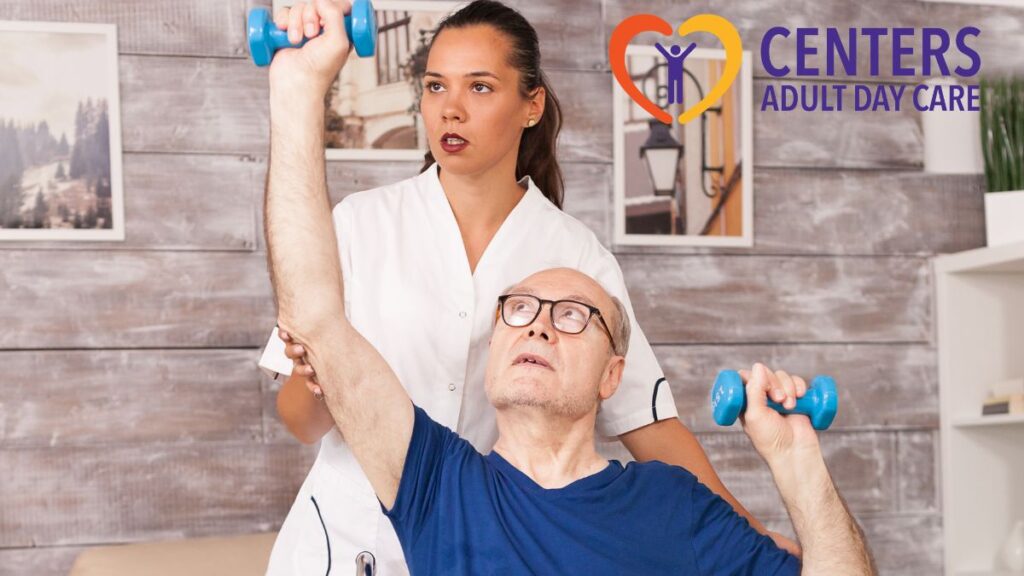
Functional strength is the foundation of safe aging. Exercises replicate daily tasks to directly improve real-life abilities. Examples include:
- Sit-to-stand: strengthens thighs for rising from chairs
- Step-ups: improves stair navigation
- Calf raises: enhances walking stability
A study by Liu-Ambrose et al. (2010) found that seniors who performed resistance and functional training twice weekly showed improvements in walking speed and a reduction in fall incidence.
Mobility Support and Beyond
The physical benefits of therapy extend far past the treatment room. Improved mobility support means more than just walking faster. It means better access to social engagement. It means maintaining cognitive health.
Physical activity has been linked to improved cognitive function and a reduced risk of cognitive decline in older adults. By keeping the body active, you help keep the mind sharp. Physical therapy is a holistic treatment that looks at your whole life. It considers the activities that are important to you. It helps you keep them central to your routine. Is there a specific activity you miss doing? Physical therapy can help you work toward getting back to it.
| Functional Goal | PT Intervention Focus | Supporting Evidence |
| Rising from a Chair | Quadriceps and Gluteal Strengthening, Sit-to-Stand Practice | Significant strength gains even in frail elderly (Fiatarone et al., 1990) |
| Climbing Stairs | Step-up drills, balance on inclined surfaces, single-leg stance | Improved stair-climbing ability after targeted PT (Shumway-Cook et al., 2003) |
| Reaching Overhead | Shoulder range-of-motion exercises, scapular stabilization | Restores functional range post-injury/surgery (Lederman, E., 2022) |
Creating a Personalized Therapy Plan
Every senior has unique needs. Effective physical therapy programs include:
- Initial assessments of strength, balance, and flexibility
- Tailored exercise plans addressing personal goals
- Progress monitoring and adjustments to the program
- Education on home safety and fall prevention
By focusing on individualized care, older adults can see measurable improvements in daily function and mobility.
Signs Seniors Should Seek Physical Therapy
Older adults may benefit from therapy if they experience:
- Trouble rising from chairs or beds
- Difficulty navigating stairs or curbs
- Frequent falls or near-falls
- Chronic joint or back pain
- Reduced participation in favorite activities
Early intervention can prevent further decline and help maintain independence.
Frequently Asked Questions (FAQ)
1. Can a Physical Therapist really help me if I haven’t exercised in years?
Absolutely! The body can adapt and gain strength at any age. Physical therapists start where you are. They design gentle programs that are safe and effective. Studies show even sedentary older adults can improve strength, balance, and mobility with consistent, personalized therapy.
2. Is physical therapy only for people who have had surgery or a major injury?
Not at all. PT is essential after surgery, but it also prevents problems before they happen. A therapist can spot weak muscles or balance issues early. Correcting these prevents falls or strains. Think of it as investing in your future health.
3. What is “functional training,” and why is it better than just lifting weights?
Functional training focuses on real-life movements. Instead of just using machines, PT helps you with tasks like rising from a low chair, carrying groceries, or turning safely while walking. It builds strength that truly matters for independence.
4. Can physical therapy help if I have chronic conditions like diabetes or arthritis?
Yes. PT is tailored for your unique health profile. Exercises are adapted for joint safety while promoting overall wellness. Therapy can support blood sugar management, joint comfort, and mobility.
5. My doctor hasn’t mentioned physical therapy. Should I still consider it?
Yes. You can often start PT directly, depending on your state. If daily tasks feel hard, you have pain, or fear falling, therapy can help. Ask your doctor for a referral or check local clinics for a direct evaluation.
Supporting Healthy Aging Through Physical Therapy

Physical therapy for seniors does more than treat injuries, it helps older adults stay strong, steady, and independent. At Centers Adult Day Care, seniors in New York follow programs that improve balance, build strength, and keep joints flexible. Staff guide each participant through safe exercises, fall-prevention techniques, and practical strategies for daily living. Therapy also addresses common chronic conditions, helping older adults manage challenges while staying active. Using physical therapy at home or at Centers Adult Day Care creates a full approach to wellness. Seniors can move with confidence, maintain independence, and enjoy everyday activities safely. Interested in supporting your loved one’s mobility and strength? Reach out to us today to see how our programs can make a positive difference in daily life.