


Key Points: Seniors in New York can maintain physical health and social connection through age-friendly activities designed for each season, keeping engagement high all year. Summer, fall, and winter each offer…
Our blog offers evidence-based practices, regulatory updates, and clinical insights to strengthen adult day programming. Each article draws on the latest research in gerontology, neurology, and rehabilitative therapy. We also address caregiver education, community resources, and policy developments to keep you informed and empowered.
Key Points: Seniors in New York can maintain physical health and social connection through age-friendly activities designed for each season, keeping engagement high all year. Summer, fall, and winter each offer…

Key Points: Older adulthood brings unique stressors, and recognising depression early allows for meaningful support and better quality of life. Social isolation, chronic illness and life-changes increase depression risk, but…

Key Points: Aging brings changes that can make daily tasks feel harder. Many older adults notice climbing stairs, standing from a chair, or walking safely becomes more challenging. Physical therapy…
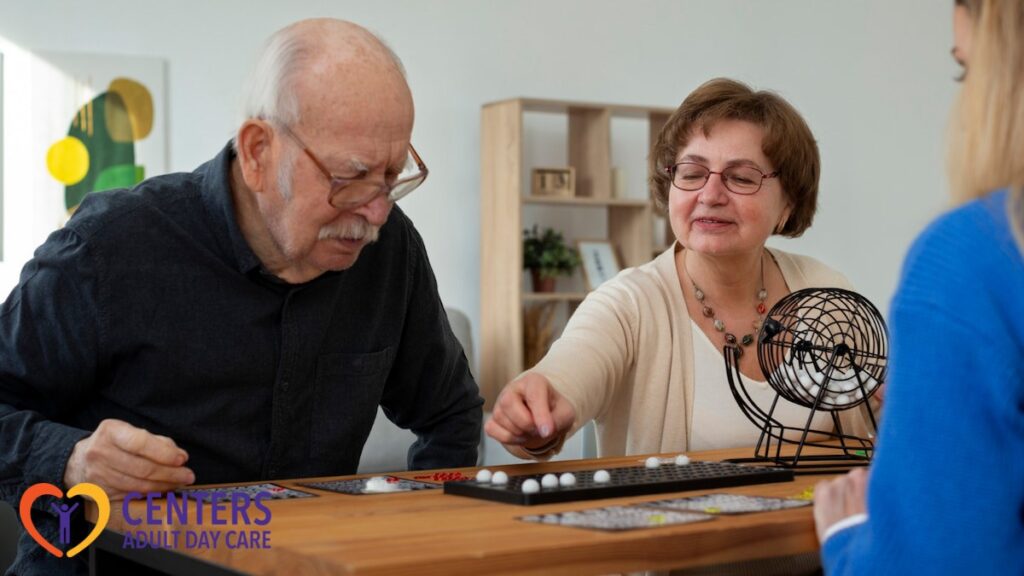
Key Points: Guided memory sharing creates strong emotional bonds and strengthens identity for older adults and their loved ones. Using simple sensory prompts such as music, photos, and familiar objects…

Key Points: Seniors often face multiple losses including loved ones, independence, and roles, requiring compassionate and holistic emotional support. Listening, social connection, and practical assistance are key ways to help…

Key Points: Transportation assistance empowers New York seniors to stay active, connected, and independent daily. Reliable senior mobility reduces isolation, improves healthcare access, and enhances overall life quality. Programs ensure…